
20
Years Of Experience
Protection Built for Montana Log Structures
Log Home Staining in Florence for properties exposed to UV degradation, moisture infiltration, and seasonal weather extremes
Untreated logs lose structural integrity as UV radiation breaks down lignin, the binding agent in wood fibers, while moisture cycles cause checking and rot in areas where water penetrates end grain. Granite Painting applies staining systems in Florence that shield log surfaces from these combined stressors through pigmented formulations designed for Montana's temperature swings and intense sun exposure at elevation. The approach addresses the reality that log homes face weather on all sides simultaneously, unlike conventional framed structures where cladding protects the underlying framework.
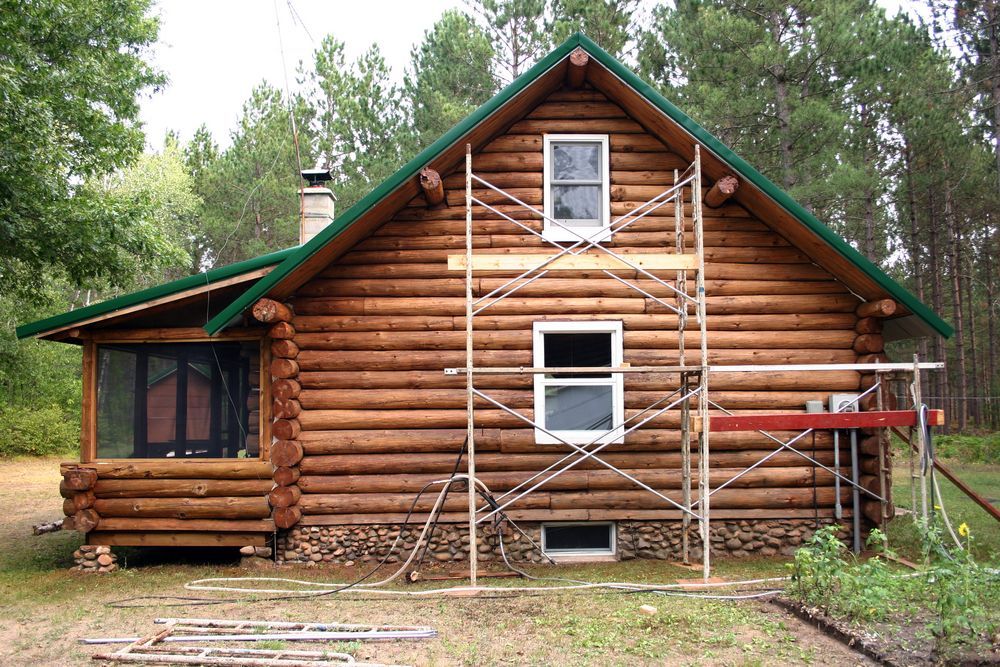
Log home staining restores the wood's original color depth while creating a barrier against water absorption and UV penetration. Preparation includes cleaning existing buildup, repairing checked surfaces where splits have widened beyond cosmetic concern, and ensuring joints between logs are sealed against wind-driven moisture before coatings are applied.
Arrange an on-site consultation to assess your log home's current condition and determine the preparation sequence required before staining begins.
How Log Staining Addresses Weather Exposure
The process starts with surface evaluation to identify areas where previous coatings have failed, logs show graying from UV exposure, or checking has progressed to the point where surface integrity is compromised. Montana's dry air accelerates moisture loss from exposed wood, causing logs to crack along grain lines, while periodic heavy rain drives water into those same cracks. Stains with higher solids content fill surface irregularities while penetrating deeply enough to move with the wood as it expands and contracts seasonally.
After application, the wood shows uniform coloring across all elevations rather than the patchwork of faded south walls and darker north walls common in unstained structures. Water beads on the surface during rainstorms instead of soaking into end grain, and checking stops progressing because the wood maintains more consistent moisture content beneath the protective layer.
The work includes caulking between logs where gaps have opened and applying borate treatments to areas showing early insect activity, particularly near ground contact points where moisture attracts wood-boring beetles. It does not include structural repairs to logs with advanced rot or replacement of chinking systems that have separated from the wood substrate.
Common Questions About This Service
Log home owners in Florence typically want to understand maintenance intervals and how Montana's climate affects coating longevity on exposed wood structures.
What happens to untreated logs over time?
Bare wood loses approximately one-quarter inch of surface material per decade through UV degradation and weathering, a rate that accelerates on south-facing walls where sun exposure exceeds eight hours daily during summer months, while moisture cycling causes checking that widens annually until splits become pathways for rot to reach the log's interior.
How is surface preparation different for log homes compared to conventional siding?
Logs require media blasting or chemical stripping to remove failed coatings without damaging the wood's soft growth rings, followed by sanding to smooth raised grain, whereas flat siding tolerates more aggressive mechanical preparation methods that would gouge the rounded log profile.
Why do some log home stains fail within two years?
Products formulated for decks or fences lack sufficient UV inhibitors for vertical log surfaces that receive direct sun, and water-based stains applied over oil-based primers create delamination as the incompatible layers separate during freeze-thaw cycles, a common failure pattern in Florence where spring temperatures fluctuate across the freezing point for weeks.
When should restaining occur?
South and west elevations typically require recoating every three to five years as UV exposure degrades pigments and binders, while north walls protected from direct sun may last seven years, though checking progression and water absorption rates provide more reliable indicators than calendar intervals alone.
What credentials indicate experience with log structures?
Applicators should demonstrate familiarity with borate treatments for insect prevention, caulking systems that remain flexible across Montana's temperature range, and stain products specifically rated for log home use rather than general exterior wood coatings that lack adequate film build for rounded surfaces.
Granite Painting has worked extensively with log homes throughout Montana, where these structures represent a significant portion of residential construction and require specialized understanding of how wood behaves under regional conditions. Request a log home staining estimate that accounts for current surface condition, elevation exposure, and the preparation work necessary to achieve lasting coverage.